
Full description not available
K**S
Great fictionalization of a famous episode in the an nals of anthropology
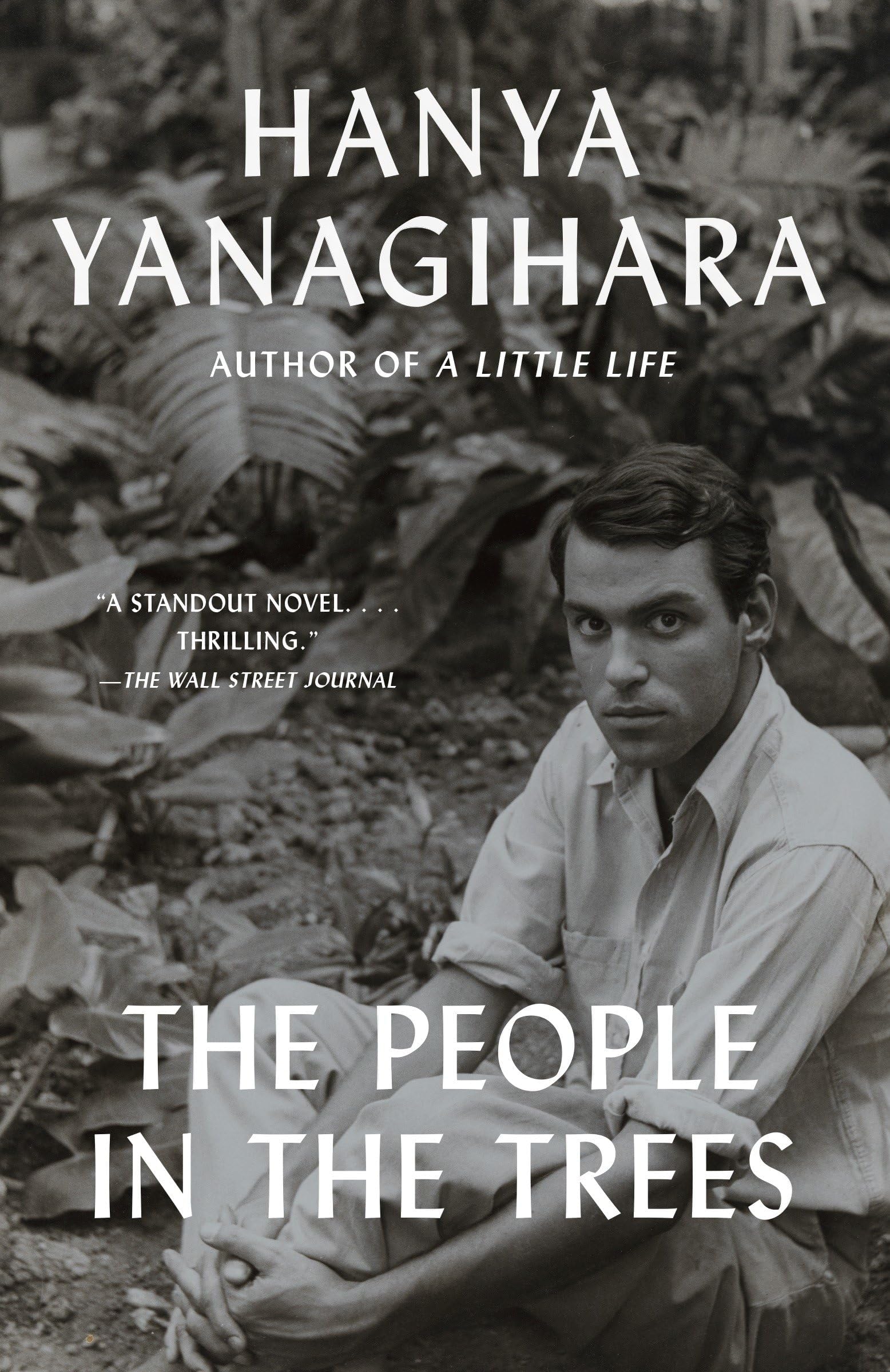
I am an anthropologist by training with a degree (1970) from the University of Chicago. When I was studying the societies of Polynesia and Micronesia, one of the famous case studies involved Dr. Daniel Gajdusek and the disease of kuru amount the South Fore people of New Guinea. Kuru was the first prion disease (think "mad-cow" disease now) discovered in humans and was found only in New Guinea. It turned out to be transmitted mainly by cannibalism - when one tribe defeated another in battle, to honor the dead and take on the most heroic qualities of the dead, the victorious tribe would eat the brains of the vanquished. The irony was, the one quality of the dead which thereby was taken on was the neurological disease of kuru, which was transmitted through the brain tissue of the dead. The People in the Trees is a great re-imagining, and novelizaton of this whole story. I urge you to read the book first, and then check out Daniel Gajdusek on Wikipedia. You'll see what a great job the novelist has done in using this story as a jumping off point for the novel.The book reminds me a lot of State of Wonder, by Ann Patchett, a book which received much acclaim and was nominated for numerous awards. I love Ann Patchett and her novels State of Wonder and Bel Canto, bt I think The People in the Trees outshines State of Wonder. It gets more into the crucial issues in anthropology of how studying a people can negatively impact those people and their culture and how in seeking to "rescue" primitive cultures and people you can destroy them. This book is a must read, both for how engrossing and well-written it is, and for the big questions it asks. It is brilliant.
W**O
A Strong Debut Novel About a Cunning Narcissist
After reading "A Little Life", Hanya Yanagihara's second novel, my favorite book in a look time and a story that totally captivated me, I was ready to devour her debut novel, "The People in the Trees". I didn't come to the story with any knowledge of the real life individual that the core of this books was based upon, only learning more once I finished the story. The book is written in the form of memoirs from Dr. Norton Perina, rationalizing his life, brilliance and ultimate demise (alluded to in the very beginning of the book).After medical school in 1950, Perina travels to a small islands near Micronesia with two anthropologists to study a "lost people". It is on these islands where he makes a profound discovery --- certain tribal members ("The Dreamers") live 5 to 6 times normal human life spans, remaining physically healthy while ultimately losing mental capacity --- that leads to his Nobel Prize in 1974. Perina discovers this condition is the result of eating an indigenous turtle, the Opa'ivu'eke. While on the island, he decides to bring back four "Dreamers" and turtle meat to conduct studies and validate his hypothesis. During his initial time on the island, we begin to see the see the darker side of Perina shine through --- his arrogance, both toward the native culture and his American anthropologist partners, Tallent and Duff, who he views with scorn and disdain. Upon his return to the US, Perina conducts his research, publishes his findings and generally castigates those who questioned him and his findings until they were replicated by a more recognized scientists. Over time, Perina continues making bi-annual trips and adopting native children as the size of his "family" swells to over 40. His motivations are never super-explicit, although his conceit starts to surface as he becomes more famous and older, in the form of saving the savages by acculturating them into Western life. By the final chapter of Perina's memoir, his narcissism and egomaniacal nature fully bubble to the surface.While I enjoyed this novel, I don't believe it approaches the brilliance of "A Little Life". The first 50-75 pages were a little slow and I didn't emotionally connect with any of the characters like in her other novel. Also, I felt the overall pacing of the book was a little uneven and found my mind wandering throughout several sections. I'll profess to prefer novels that tackle tough and controversial subjects. Unlike some other reviewers, I don't believe Yanagihara some of the touchier items in a gratuitous manner. If people prefer uplifting subject matter, books that avoid deeply flawed characters or non-Western based cultural norms, they should do research beforehand and choose other books to read. I did appreciate Yanagihara's ability to write the novel in memoir form, striking the delicate balance of allowing Perina to both tell his story in his own self-serving way while ensuring his hubris and arrogant nature came through. One thing I regret is having read an Amazon review before starting the book that ruined the ending for me. As a result, I was even more attuned to the duplictious nature of Perina than I otherwise would have been.This was definitely a great debut novel that announced Yanagihara as an author to pay attention to and she certainly didn't disappoint with her second effort, "A Little Life". I'll be anxiously awaiting her next effort and definitely will start reading it as soon as it is released.
A**R
Evokes lots of emotions, but not good ones...
Well, this book definitely made me feel a lot of things, which indicates good writing, but I was so frustrated with the main character that I couldn't really say that I "liked" this book. It's pretty difficult to continue reading after the first chapter when you realize what a sanctimonious little rat the main character is, but you sort of continue on in a vindictive hope that you get to watch his life crumble around him. It's an interesting way to drive the plot, but not my cup of tea.
Trustpilot
1 month ago
3 days ago